Class 2 HGV driver jobs and cover
Class 2 drivers hold category C and drive rigid lorries over 3,500 kg: curtainsiders, box bodies, fridge rigids, tippers and skips.
The job
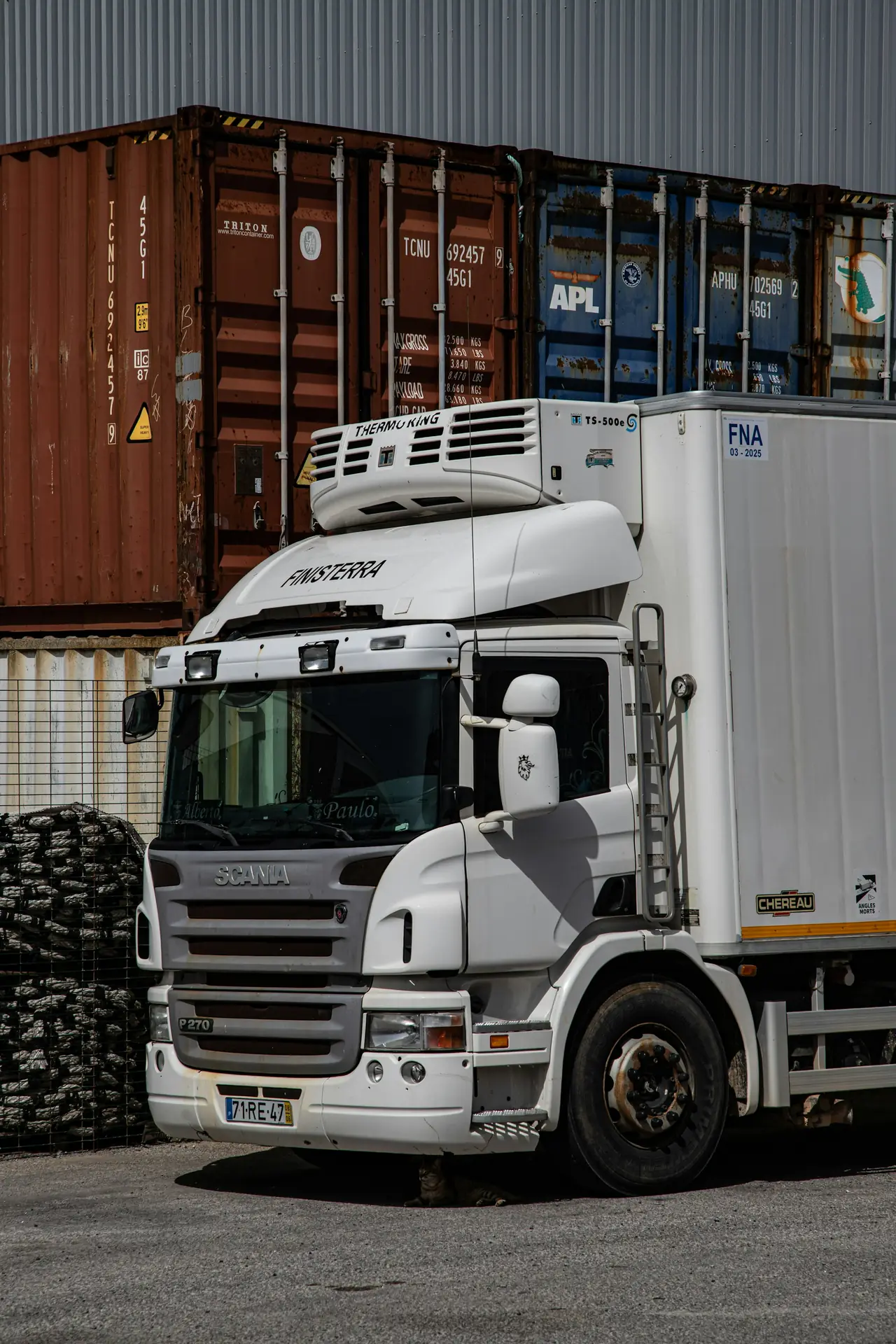
A Class 2 driver drives a rigid lorry: a vehicle with the body and the cab on one chassis. Rigids do the work that does not need an artic: multi-drop rounds, store and trade deliveries, skip and hook work, tipping, fridge rounds and local haulage. The job is a lot of short jobs rather than one long one.
Because the round has many stops, the driver spends more time on handling than an artic driver does. Tail lifts, pallet trucks, roll cages and hand-balling are part of the day on many rounds. Customers see the driver, so timekeeping and manner count as much as the driving.
The vehicle can be small or large. A 7.5 tonne box falls within category C1, and a driver with category C can drive it too. An 18 tonne or 26 tonne rigid, with a tail lift or a fridge unit, needs category C. We ask the weight at booking so the driver and the vehicle match.
Licence and tickets
Class 2 is the trade name for category C on a UK driving licence. GOV.UK describes category C as large vehicles over 3,500 kg, with a trailer up to 750 kg. That covers rigid lorries and does not cover artics or lorry-and-trailer combinations, which need category C+E. GOV.UK says you might know category C as HGV 2.
A lorry driver also needs the Driver CPC, which is 35 hours of periodic training every 5 years, recorded on the Driver Qualification Card.
A digital tachograph driver card is needed in any vehicle fitted with a digital tachograph. Drivers of smaller vehicles may be under the GB domestic rules, which the booking tells you.
Sources: GOV.UK, Driving licence categories; Driver CPC; Digital tachographs (checked 1 October 2026).
Drivers’ hours
Most Class 2 work falls under the same drivers’ hours rules as Class 1 for vehicles over 3.5 tonnes: 9 hours of driving in a day, which can go up to 10 hours twice a week, 56 hours in a week and 90 hours in any two weeks, with a 45 minute break after 4.5 hours of driving. Some rigid work is exempt from those rules or falls under the GB domestic rules instead, and the booking says which applies. The working time rules add a limit of 10 hours in any 24 hours when night work is done, and for goods vehicles night time is 00:00 to 04:00.
Multi-drop rounds are easy to run over on time, because every stop takes a little longer than planned. We ask about recent hours before we book a driver.
Sources: GOV.UK, Drivers’ hours rules; Drivers’ hours: working time rules (checked 1 October 2026).
Shifts
- Days
- Multi-drop and trade rounds in daylight, home each night. Start times are set by the round and the depot.
- Nights
- Overnight deliveries to stores and depots. Night work has its own working time limit, set out under drivers’ hours.
- Tramping
- Some rigid work takes a driver away for part of the week, where the booking says so.
- Weekends
- Saturday and Sunday rounds for retail, food and waste customers.
Pay basis
Pay is an hourly rate set per booking. It depends on the vehicle, the shift pattern and the client, and nights and weekends can be rated differently. We do not publish rates on this site.
The National Living Wage is the legal floor for workers aged 21 and over, and no booking pays below the legal minimum wage. You are told the rate before you accept a shift.
Pay is for the hours worked. GOV.UK says an employer cannot pay drivers by the speed of delivery, the distance travelled or the amount of goods carried if that encourages them to break the drivers’ hours rules.
Checks we run
DVLA licence check
We check the category C entitlement, endorsements and expiry with the DVLA, using the check code you give us.
Driver CPC
We ask to see the Driver Qualification Card and check the training record.
Digi card
We ask to see your tachograph driver card and check that it is in date and in your name.
Right to work and references
Right to work is checked before the first shift, and references cover your recent driving.
Vehicle experience
We ask which rigids you have driven: box, curtainside, fridge, tipper, skip or hook.
The full list of checks is on the compliance checks page.
Questions about Class 2 work
- Can I drive a 7.5 tonne lorry on a Class 2 licence?
Yes. Category C includes vehicles in the 3,500 kg to 7,500 kg range that category C1 covers, so a Class 2 driver can drive a 7.5 tonne lorry.
- Do I need to load and unload?
On many rounds, yes. The booking says whether the job includes tail lift work, hand-balling or pallet trucks, and we tell you before you accept.
- What is the difference between Class 2 and a 7.5 tonne licence?
Category C1 covers vehicles from 3,500 kg up to 7,500 kg. Category C covers anything over 3,500 kg, including 18 tonne and 26 tonne rigids. Class 2 is category C.
- Can I get work without rigid experience?
Tell us what you hold and what you have driven. Some clients ask for a minimum of rigid experience, and we tell you before you are booked.
Book a Class 2 driver
Give us the vehicle weight and body type, the round, the start time and any tickets the job needs. We come back on who can cover it.