Ports and container drivers and staff
Class 1 container drivers and port shunters: skeletal trailers, terminal gates, timed slots and round-the-clock shifts.
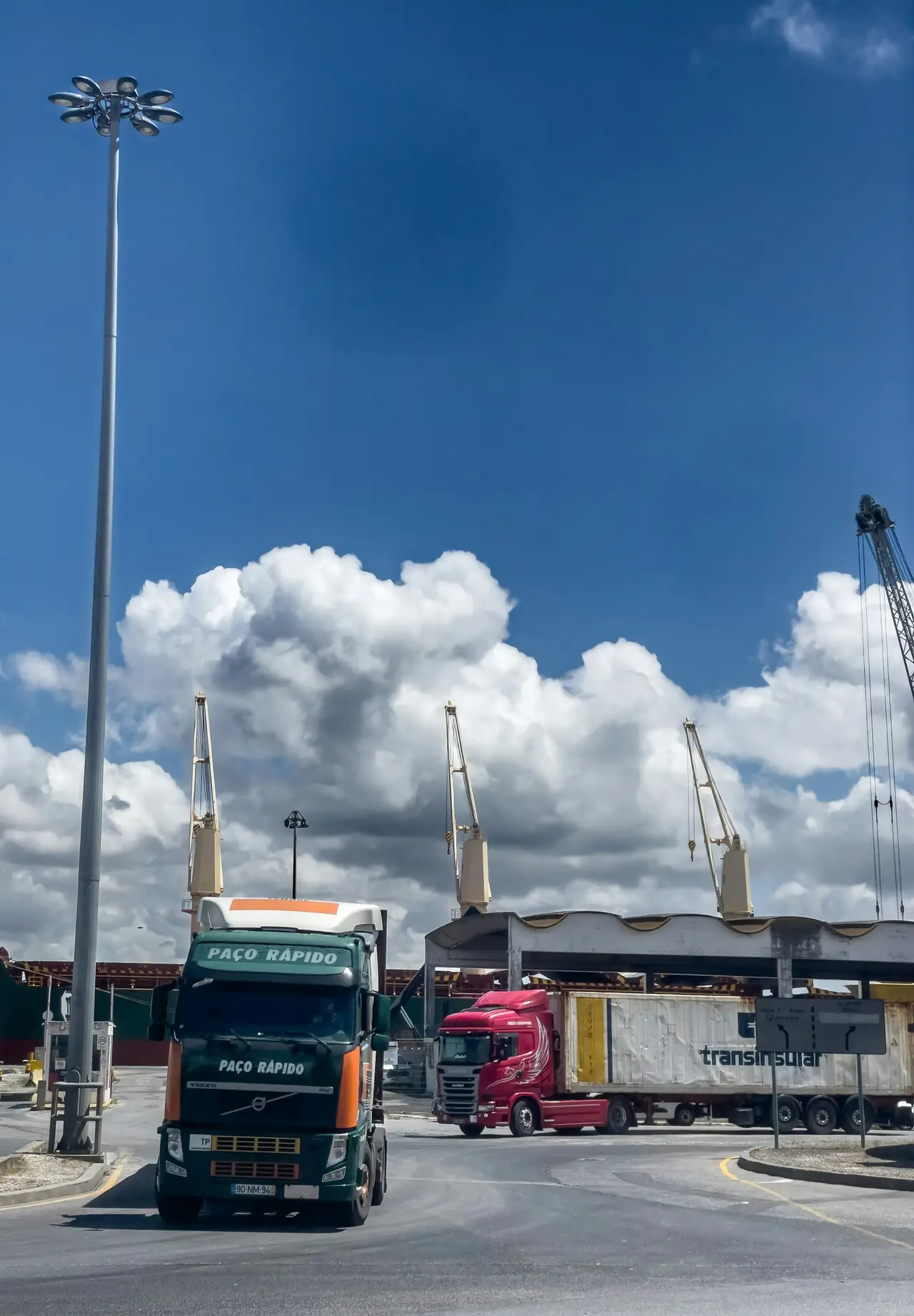
The work
Container haulage moves boxes between ports, rail terminals, depots and customers. A driver collects a loaded container from a terminal and takes it to a consignee, or takes an empty one back, on a skeletal trailer built to carry containers. Two common lengths are 20 feet and 40 feet, and a driver learns to handle both.
Terminals control who comes in. A driver arrives at the gate with the booking and the container details, is checked in, collects or drops the box where the terminal directs, and leaves. Gate, pass and induction rules differ from one terminal to the next, and we pass them on before a driver’s first visit.
Shunters move trailers and containers around a port or yard. A terminal tractor pulls a trailer a short distance, again and again, through the day and the night, and the work asks for a steady eye and good reversing. Port and port-side depot work can run around the clock, because vessels arrive at all hours.
Vehicles and loads
- Tractor units with skeletal trailers for 20 and 40 foot containers
- Box and curtainside trailers collected from port-side depots
- Terminal tractors for moving trailers within a port or yard
- Twist locks, which secure the container to the skeletal trailer
Licences, cards and tickets
- Category C+E (Class 1) for container work on tractor units and skeletal trailers.
- Driver CPC and a digital tachograph driver card for road work. For shunting that stays inside a yard, the client confirms which licence, hours and card rules apply.
- A port pass or terminal induction, which each terminal sets for itself.
- High-visibility clothing, boots and a hard hat, as the terminal names.
- The ADR card where a container carries dangerous goods.
Shift patterns
- Days
- Collections and deliveries between terminal and customer in daylight hours, to the slot the booking gives.
- Nights
- Terminals and port-side depots that operate through the night need night drivers and shunters. Night work follows the working time rules.
- Tramping
- Inland container runs from a port to a distant customer can take a driver away for part of the week, agreed in the booking.
- Weekends
- Vessels arrive every day of the week, so weekend shifts are part of port work.
Checks we run for ports and containers
Licence and cards
Licence, Driver CPC and digi card are checked before the first shift.
Terminal access
We ask whether the driver has worked at the terminal or holds a port pass, and we tell the client.
Container experience
We ask about 20 and 40 foot work, skeletal trailers and twist locks, and about shunting if the job needs it.
Hours awareness
Gate queues and slot times eat into working hours, so we ask about recent hours before a booking.
The full list of checks is on the compliance checks page.
Roles in ports and containers
Where we cover it
Questions about ports and containers work
- What is a skeletal trailer?
A trailer that is a frame with twist locks to hold a container, without a floor or sides of its own. The container is the body, and the locks hold it to the frame.
- Do I need a port pass?
Each terminal decides what it requires at the gate. We check with the client before we offer a booking and tell you what to bring or what has to be arranged first.
- Is container work only Class 1?
Container haulage on a tractor unit is Class 1, category C+E. Smaller rigid work around a port can be Class 2, category C. The booking says which.
- What does a port shunter do?
Moves trailers and containers within a port or yard on a terminal tractor, hitching and unhitching, placing trailers at bays and keeping the yard moving. Sites differ on the licence they ask for, and we check before we book.
Book a container driver or shunter
Give us the port or terminal, the container size, the licence category, the start time and the shift length. We come back on who can cover it.